#suicide prevention
#suicide prevention
[ follow ]
#suicide-prevention #mental-health #youth-mental-health #golden-gate-bridge #nypd #public-health #brooklyn






Poker
fromwww.theguardian.com
1 week agoFlagged for winning, inducements when losing: how betting firms watched a Melbourne man gamble $895,000 before his death at 22
A WNBA game outcome led to a man’s large bets, followed by his suicide, raising questions about whether betting companies assessed his self-harm risk accurately.




fromwww.medscape.com
2 weeks agoRising From The Pitt': Knowing When to Ask for Help
Dr Robby holds an infant abandoned in the chaos of trauma. Robby cradles him with a tenderness that seems incongruous with the man we have watched unravel across the season. You have so many wonderful things to see, he whispers, his voice cracking. And so many people to love ahead of you. Tyler Beauchamp, MD When Robby speaks these words of comfort to the child, something shifts in his eyes a dawning recognition that he is not merely soothing an abandoned infant, but speaking to the abandoned parts of himself that, too, deserve saving.
Medicine

fromNextgov.com
1 month agoLawmaker looks to award grants for veteran suicide prevention AI models
The Recovery Engagement and Coordination for Health-Veteran Enhanced Treatment, or REACH VET, program identifies veterans in the top 0.1% of suicide risk by analyzing health records for specific indicators of potential self-harm.
Non-profit organizations
Artificial intelligence
fromArs Technica
2 months agoOpenAI's own mental health experts unanimously opposed "naughty" ChatGPT launch
OpenAI's planned 'adult mode' for ChatGPT poses mental health risks including emotional dependence and potential harm to vulnerable users, despite warnings from its own wellness council.
Healthcare
fromIrish Independent
2 months agoGalway campaign for mental health A&E brought before the Oireachtas - 'I wish I wasn't here'
Adam's Protocol proposes dedicated mental health crisis centers and 24/7 care facilities separate from emergency departments to better serve people in mental health crises.
Miscellaneous
fromPsychology Today
2 months agoKids Today: Thoughts From Research, Practice, and the Classroom
Each generation faces unique challenges; today's youth deserve recognition for their perspectives rather than dismissal, as evidenced by clinical research, therapeutic practice, and educational settings.
fromwww.independent.co.uk
3 months agoPolice must do more to target abusers who drive women to suicide, says NPCC chief
Police forces must do more to target domestic abusers who drive women to suicide, the National Police Chiefs' Council (NPCC) has said. Forces are being asked to change their approach to suicide cases where domestic abuse may have been a factor, with officers too often not sufficiently curious about the circumstances surrounding a death, it added. Speaking to The Guardian, NPCC assistant commissioner Louisa Rolfe, who leads on domestic abuse, said that more posthumous investigations are taking place.
Social justice
fromNextgov.com
3 months ago'Suicide is only one option': Social Security staff newly assigned to phone duties raise concerns over training
The Social Security Administration has instructed employees newly assigned to answering phones to tell callers expressing suicidal thoughts that suicide is "one option," raising concerns from employees and experts in the field who called the approach unorthodox. SSA recently began shifting new swaths of its workforce to phone answering duty, including those who normally receive and process retirement and disability claims, manage the agency's technology and work in the agency's finances unit.
Mental health
Music
fromPinkNews | Latest lesbian, gay, bi and trans news | LGBTQ+ news
3 months agoAmerican Idol star almost ended his life over sexuality struggles
David Archuleta nearly died by suicide while struggling to reconcile his queer identity with his Mormon faith, later accepting himself and continuing his music career.
fromPinkNews | Latest lesbian, gay, bi and trans news | LGBTQ+ news
3 months agoTrans teen school friends die by suicide just 10 months apart
The world was a scary place for her, as a transgender, autistic woman. It should not have been. It should have seen her for the wonderful, radiant, and deeply empathetic person she was. Nothing can make up for Summer's death, but we hope that it at least can be used as a catalyst to make the world a kinder place, and to prevent anyone else from dying in this way.
SF LGBT
fromPsychology Today
3 months agoChronic Pain and Suicide: Three Scenarios, Three Solutions
Suicide is a cause of death that haunts the living in perpetuity. After a suicide event, those left behind are tormented by questions. "Could I have done something?" "What did I miss?" "How could this happen?" "Was it my fault?" Even the best answers fail to return the person lost, and natural grief is often compounded with unnecessary blame. Discussions about suicide prediction and prevention primarily focus on known risk factors such as mental illness and suicidal ideation. 1
Mental health
fromwww.theguardian.com
3 months agoThey're taught that showing feelings is shameful': eight reasons men don't go to therapy and why they should
Jake's marriage to Louise is in trouble, and she has insisted he come and see me. If not for Louise, you wouldn't be here, would you? I enquire tentatively. He looks sheepish at first; then emboldened, he gives an emphatic No. As is almost always the case, Jake's wife has registered a problem that has passed him by, and prompted his visit.
Mental health




Mental health
fromwww.theguardian.com
3 months agoLife after Molly: Ian Russell on big tech, his daughter's death and why a social media ban won't work
Ian Russell's daughter died by suicide after exposure to harmful social media content, prompting his grief-driven campaign for accountability, research, support, and age-restricted platform access.
fromLGBTQ Nation
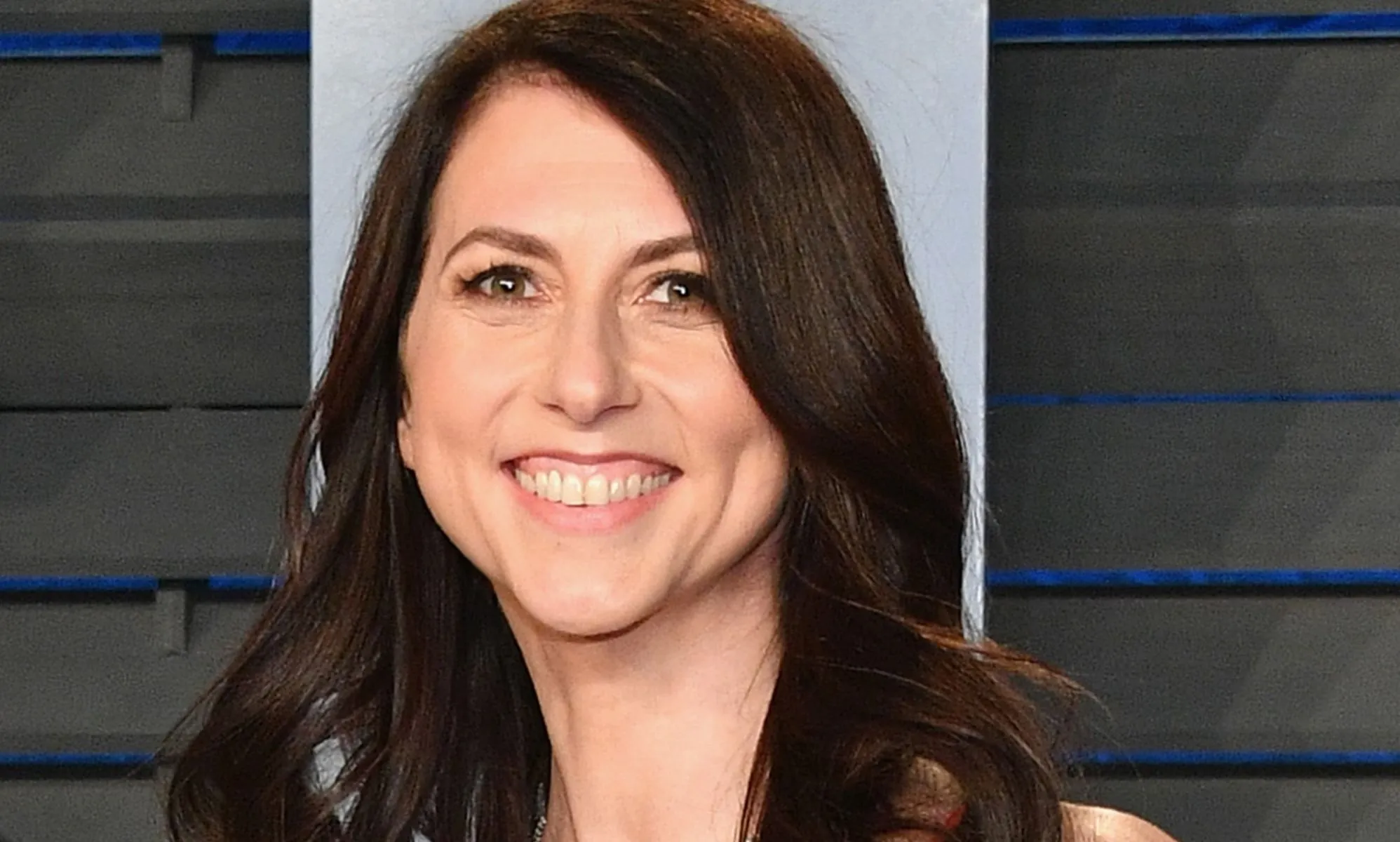
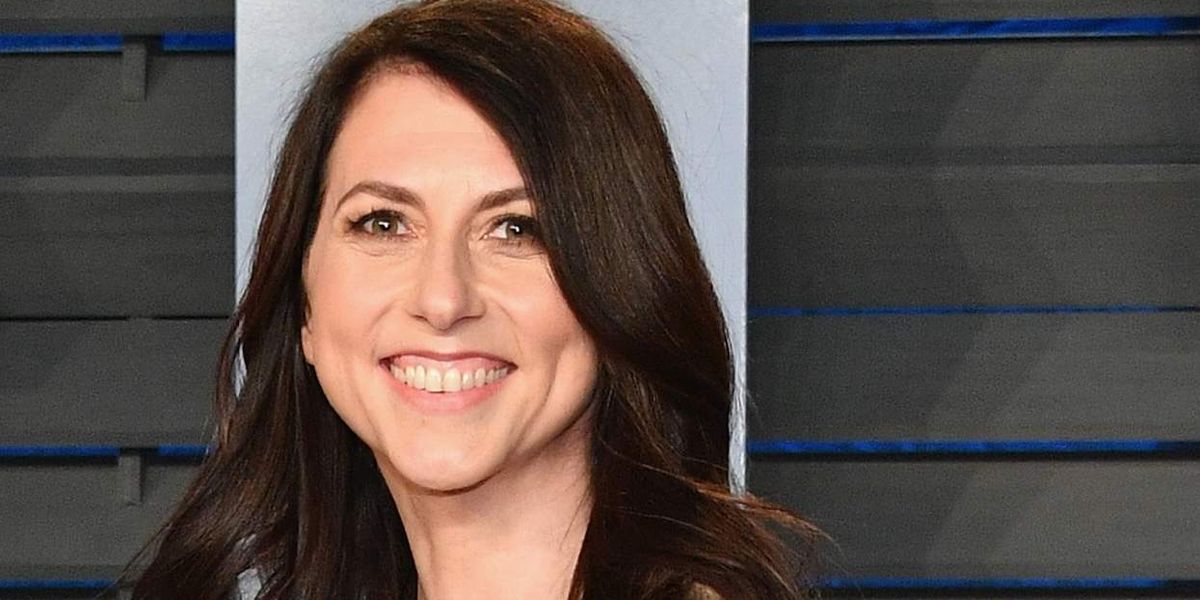
4 months agoMacKenzie Scott just made a $45 million donation to LGBTQ+ youth - LGBTQ Nation
The Trevor Project used to get some federal funding for operating LGBTQ+ Youth Specialized Services for the federal 988 Suicide & Crisis Lifeline. But the current administration cut funding to that initiative in July. The funding cut came after Trevor Project was targeted for years by the right with accusations of "grooming" children that had no basis in reality. Conservatives claim that the organization is somehow making kids become LGBTQ+, which is not possible. Instead, the organization provides support for LGBTQ+ youth.
Fundraising
[ Load more ]